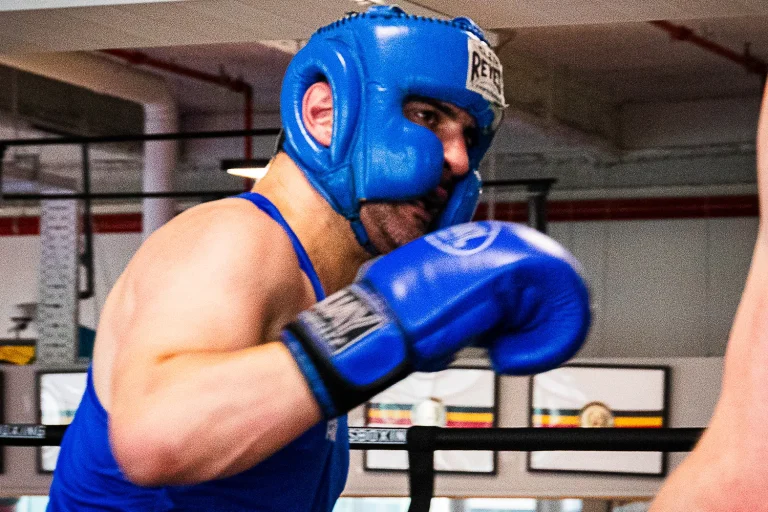




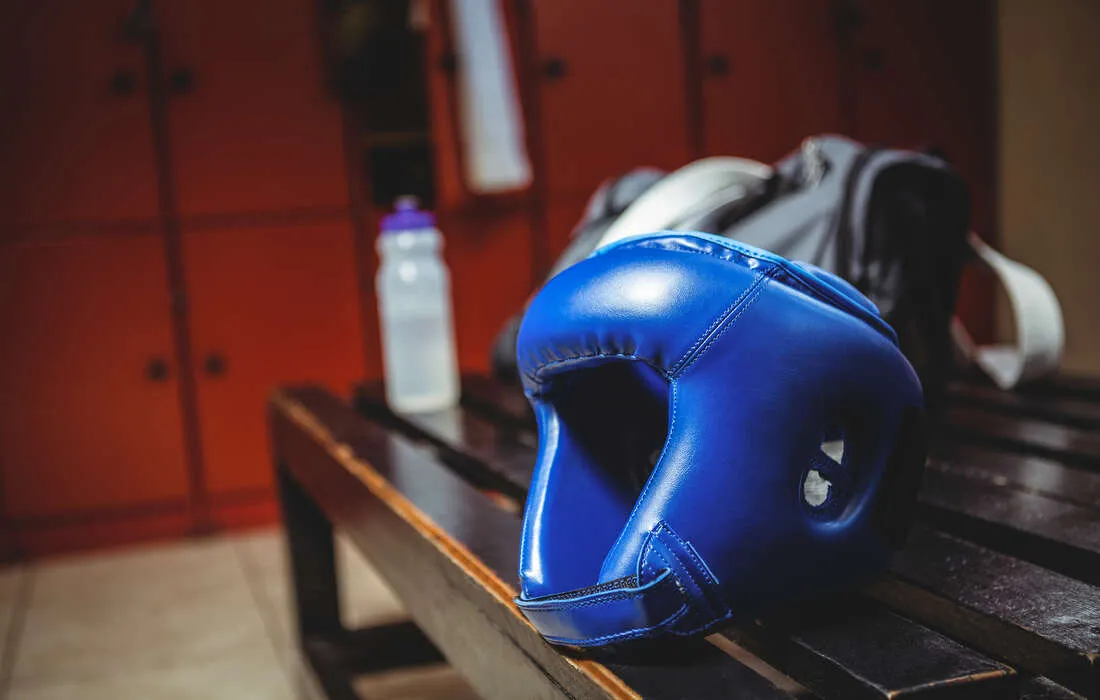
Boxing, the combat sport par excellence, highlights not only power and technique but also the absolute need to protect athletes from potential injury. In this context, boxing headgear stands out as an essential piece of equipment, acting as a protective shield for boxers’ heads and, by extension, for their overall well-being. Head shots are common in boxing, and without proper protection boxers expose themselves to significant risks, including head trauma and brain injuries.
By absorbing and spreading the impact of punches, boxing headgear plays a vital role in reducing these risks, protecting both the health and the careers of boxers. This article dives into the world of boxing headgear, exploring why it matters, the different variants available, and offering a practical guide to choosing, using and caring for this crucial piece of protective kit. Let’s set off on this informative journey together and discover how boxing headgear helps make the ring a safe and regulated place to fight
Why Headgear Matters in Boxing
Boxing, spectacular and exhilarating as it is, is not without risk, especially when it comes to blows to the head. This is where boxing headgear really comes into its own, acting as an essential protective barrier that minimises the risk of serious injury. Head shots can have serious consequences, ranging from concussions to head trauma, and in some cases can even have long-term effects on a boxer’s neurological health.
By absorbing a significant part of the impact of punches, boxing headgear protects not only the skull but also vital areas such as the temples and the jaw. It prevents cuts and bruises and reduces the likelihood of more serious injuries. Beyond the purely physical side, headgear also gives boxers psychological security, allowing them to focus fully on their strategy and technique without being held back by fear of getting hurt. Headgear therefore proves to be an invaluable ally in every boxer’s quest for victory, making the sport both intense and safe.
Types of Boxing Headgear
The world of boxing headgear is rich and varied, offering a wide range of options to suit every boxer’s needs and preferences. Open-face headgear is widely used in training and amateur competition, offering good visibility while providing substantial protection for the forehead, temples and chin. It is often chosen for its light weight and because it does not hinder the boxer’s breathing or vision.
Full-face headgear, on the other hand, offers more complete protection, covering the entire head and giving the face extra security. It is particularly favoured in situations where maximum protection is required, although it can limit visibility and ventilation.
Headgear with a face cage or face bar is designed to give the face extra protection, especially the nose and eyes, while still allowing some visibility through the cage.
Each type of headgear has its own pros and cons, and the choice between them should be guided by several factors, including the level of competition, the boxer’s age and personal preference. This section explores these options in depth, helping boxers select headgear that not only keeps them safe but also supports their performance in the ring.

How to Choose the Right Boxing Headgear
Choosing boxing headgear is a crucial decision that should be guided by several criteria to ensure optimal protection and maximum comfort. Material is the first thing to consider. Headgear should be made from tough, durable materials that can absorb impact while remaining comfortable and breathable. Leather and high-density foams are often preferred for their durability and their effectiveness at absorbing shocks.
The size and fit of the headgear are also essential to guarantee effective protection and stop it from shifting during sparring or training. Well-fitting headgear is crucial so that it does not block your vision and gives stable protection.
The type of fastening, whether Velcro or laces, should also be taken into account for ease of use and its ability to hold the headgear securely in place.
Finally, the visibility the headgear offers is a decisive criterion: the boxer must be able to see their opponent and incoming punches clearly from every direction.
As every boxer has unique needs and preferences, choosing headgear should be a balanced combination of all these factors, ensuring a boxing experience that is both safe and enjoyable. This section aims to guide boxers through the selection process, highlighting the importance of each criterion and helping them make an informed choice.
Which Boxing Headgear to Choose? The Best in 2023
When it comes to choosing boxing headgear, some products stand out for their quality, comfort and reliable protection. The Everlast Elite, for example, is widely recognised in the boxing world for its quality construction, offering excellent shock absorption and unrivalled comfort, although it often sits in a higher price range. Cleto Reyes, another renowned brand, is valued for its durability and snug fit, keeping the headgear in place even during the most intense exchanges.
For those looking for a more affordable option without compromising on safety, Venum headgear offers solid protection with a variety of styles and sizes to suit every boxer. RDX, another well-established brand, offers headgear that is not only functional but also good-looking, with a range of designs and colours.
Each of these brands offers unique features and levels of protection that make them suitable for different boxers and different uses. This section details the pros and cons of each brand and model, giving boxers the information they need to choose headgear that not only protects them but also improves their experience in the ring.
Caring for Your Boxing Headgear and Making It Last
Proper care of boxing headgear is an often overlooked but essential part of keeping it durable and performing consistently over time. Cleanliness is the first aspect of care to consider. Because headgear absorbs sweat and is exposed to all sorts of elements, it should be cleaned regularly to keep it hygienic and structurally sound. Using antibacterial wipes or a soft cloth with a mild cleaner is an effective way to keep headgear clean without damaging the material.
Storage is also crucial. Keeping your headgear in a cool, dry place, away from direct sunlight and extreme temperatures, will preserve the materials and prevent premature wear.
Regular inspection of the headgear for any signs of wear or damage is also vital to ensure continued protection. Cracks, tears or any weakening of the material should be dealt with immediately to avoid compromising the boxer’s safety.
Conclusion
Exploring the many facets of boxing headgear, from careful selection to conscientious care, highlights just how crucial this piece of equipment is in the unforgiving world of the ring. Headgear is not simply an accessory; it is the silent guardian that tirelessly watches over boxers’ safety, protecting their most precious asset: their physical and mental well-being. This article has sought to light the way to a deeper understanding and appreciation of boxing headgear, exploring the different types available, detailing the selection criteria and stressing the importance of regular care. May every punch absorbed by these sturdy shields be a reminder of the importance of choosing, using and maintaining these essential protectors wisely, so that every round is fought with energy, confidence and unwavering safety.
Wondering how your equipment, including your boxing headgear, shapes your image in the ring? Then our boxing club, tucked away in the heart of Brussels at De Brouckère, is the ideal place for you. Whatever your level, we offer you a free first trial class to help you build your identity as a boxer, in both technique and style. Contact us on +32 473 29 42 99 or via our form to start this quest for identity.