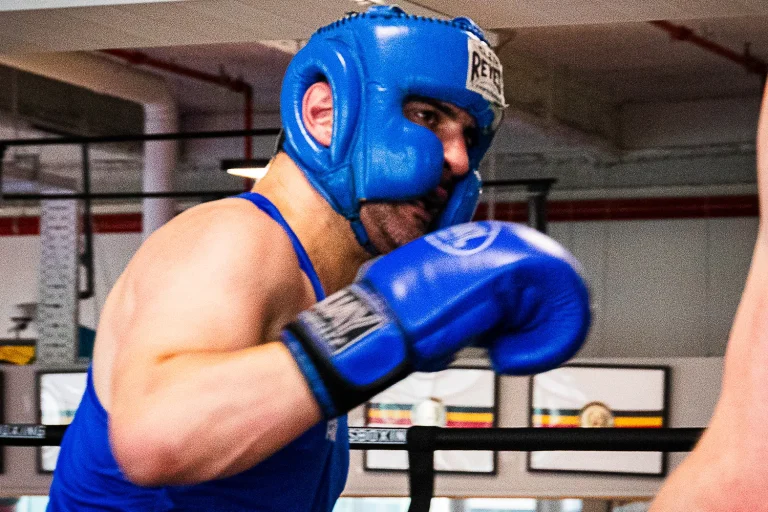




Boxing, as a combat sport, demands not only strength and technique but also close attention to safety and injury prevention. Boxing hand wraps play a crucial role here, acting as the first line of defence to protect boxers’ hands, wrists and fingers from the trauma and injuries that can occur in training and in fights. Hands are every boxer’s essential tools, and wraps provide not only protection but also structural support, helping to keep the joints aligned and to cushion the impact against an opponent or the heavy bag. This article dives into the world of boxing hand wraps, exploring why they matter and the different types available, and offering a practical guide to choosing, applying and caring for these indispensable allies of every boxer.
Why Are Hand Wraps Essential in Boxing?
In the boxing arena, where every punch counts, protecting the boxer’s hands becomes an undisputed priority. Boxing hand wraps are not just an accessory but an absolute necessity for preserving athletes’ physical integrity. The hands and wrists are made up of a complex network of bones, ligaments and tendons which, without proper support, are vulnerable to injuries, including fractures and sprains. Wraps act as protective armour, stabilising the hand and wrist and providing compression that helps prevent swelling from repeated impacts.
Wraps also absorb sweat, minimising the risk of slipping inside the boxing glove and ensuring optimal grip and control. They help maintain the shape of the fist, keeping the metacarpals aligned and supported on impact. This not only protects the boxer from injury but also ensures that every punch is delivered with maximum force and precision. Wraps are therefore not just a safety item but an essential component that complements the boxer’s power, technique and durability in the ring.
Types of Boxing Hand Wraps
Boxing hand wraps come in several types, each with distinct features to meet boxers’ specific needs. Gauze wraps, often used in professional fights, offer robust protection and are generally used only once to guarantee maximum safety. Elastic wraps, or Mexican-style wraps, are prized for their stretch and their ability to give firm support while being easy to apply; reusable and washable, they are a popular choice for everyday training.
Gel wraps offer quick protection and are often used for shorter training sessions or by people looking for an option that is easy to put on. Inner gloves, on the other hand, offer convenience with minimal protection and are often used for light heavy bag sessions or boxing fitness classes. Choosing the type of wrap depends on several factors, including the level of support needed, convenience and how it will be used (training vs. fighting).
Each type of wrap has its own pros and cons, and understanding these differences is crucial to making an informed choice that not only protects the boxer’s hands but also improves their performance in the ring. This section explores these options in depth, offering insights to help boxers navigate the choices and select the wrap that best suits their specific needs.
How to Choose Your Boxing Hand Wraps
Choosing boxing hand wraps is a crucial decision that affects not only hand protection but also the boxer’s overall performance in the ring or in training. Several criteria should be taken into account to make a smart choice. The wrap’s material is paramount: it must offer the best combination of comfort, durability and support. Commonly used materials include cotton for its softness and comfort, and nylon or polyester for their stretch and durability.
The length of the wrap is another key factor. Boxers should choose a length that gives enough support without being overly bulky or restrictive. Wraps generally come in lengths from 120 to 200 inches, each length suiting different levels of support and hand sizes. The fastening method, whether Velcro or a hook, should also be considered to ensure easy application and removal, as well as a secure fit during use.
Boxers should also consider factors such as ease of care, reusability and cost. Choosing a wrap that not only meets immediate needs but is also durable and good value is essential for a wise investment in boxing equipment. This section guides boxers through these criteria, ensuring a choice that maximises protection and performance.

Top Recommended Hand Wraps for Boxers: A Guide to Fighters’ Favourite Picks
Finding your way through the wealth of boxing hand wrap options can be a daunting task, but some products stand out in the industry thanks to their superior quality, durability and positive user reviews. Everlast wraps, for example, are widely recognised for their toughness and their ability to provide solid support, making them a common choice among professional and amateur boxers alike. Title Boxing wraps are also praised for their stretch and comfort, offering reliable protection without sacrificing mobility.
Ringside Mexican Style wraps are another popular option, particularly appreciated for their flexibility and the way they mould comfortably around the hands and wrists. For those looking for a quick and practical option, RDX wraps and inner gloves offer an easy slip-on solution while still providing an adequate level of support and protection.
Each of these brands and models offers unique features that make them suitable for different types of boxers and needs. This section explores these options in detail, highlighting their pros, cons and the situations where they shine most, helping boxers make an informed choice that matches their specific requirements and personal preferences.
How to Put On Boxing Hand Wraps
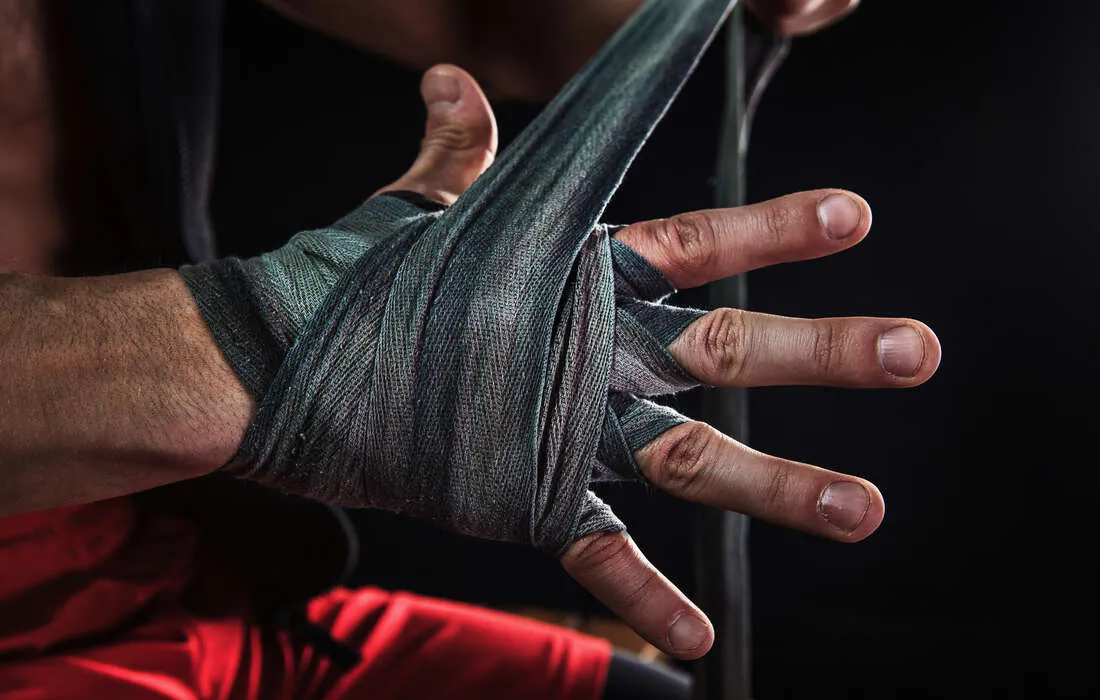
Wrapping your hands is an essential skill every boxer must master to ensure maximum protection and effective support in training and in fights. The wrapping technique starts by circling the wrist, providing stable support to prevent sprains or injuries caused by impact. The wrap then moves to the palm and the metacarpals, adding a protective layer that helps absorb shocks and keep the bones of the hand aligned.
The wrap is then wound around the thumb, protecting this vulnerable and often overlooked joint. The fingers come next, with the wrap woven between them to provide extra support and maintain proper spacing and alignment. Finally, the rest of the wrap is used to firmly cover the rest of the hand, ensuring even compression and overall support.
It is crucial to make sure the wrap is tight enough to give solid support, but not so tight that it restricts blood flow. Practising this wrapping technique regularly not only ensures optimal protection but also lets boxers get used to the level of tension and support that suits them best, tailoring their wrapping method to their own needs in the ring.
Conclusion
Far more than a simple accessory, boxing hand wraps turn out to be a fundamental part of every boxer’s journey, providing protection, support and confidence with every punch thrown. By exploring the different types, understanding the selection criteria and mastering the art of wrapping, boxers can not only protect their physical integrity but also optimise their performance in the ring. This article has sought to shed light on the key aspects of boxing hand wraps, in the hope of guiding every boxer towards informed choices and safe practices, and strengthening their path to victory.
Wondering how your equipment, including your boxing hand wraps, shapes your image in the ring? Our boxing club, located in the heart of Brussels at De Brouckère, is the perfect place for you. Whatever your level, we offer you a free first trial class to help you build your identity as a boxer, in both technique and style. Contact us on +32 473 29 42 99 or via our form to start this quest for identity.