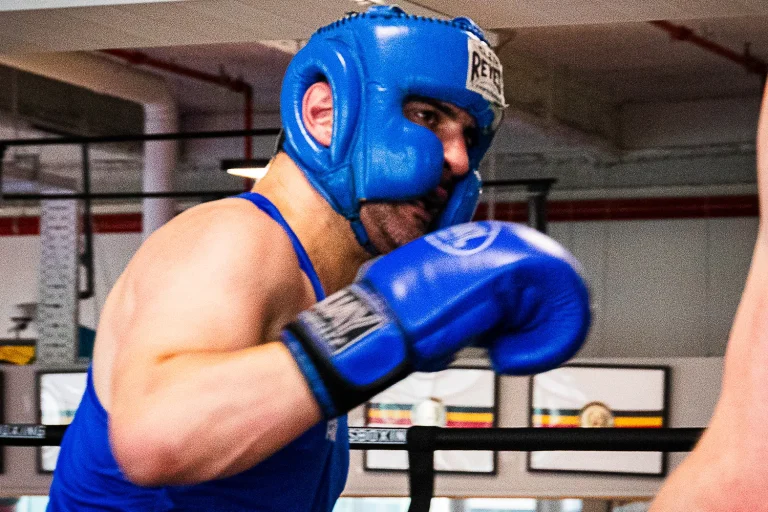




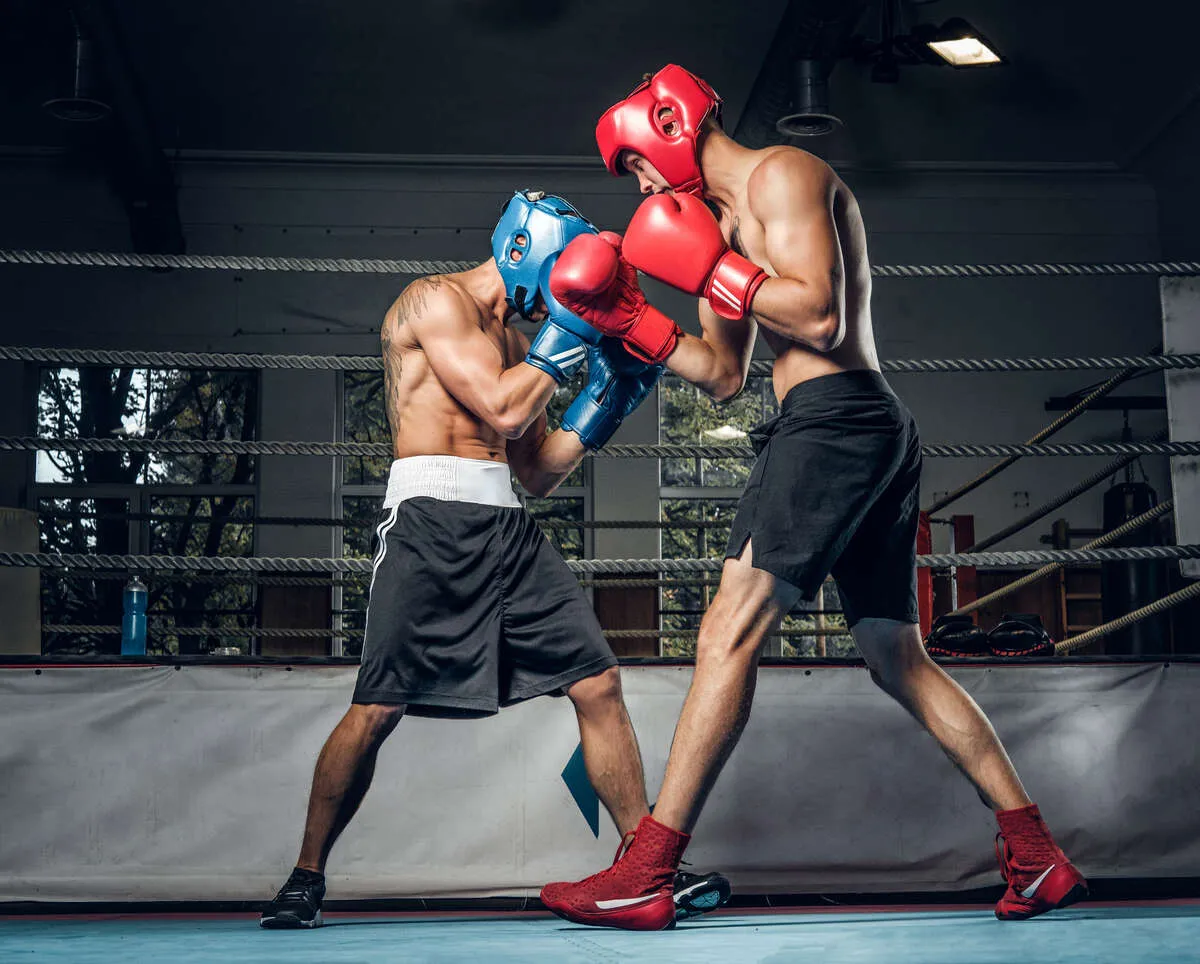
Boxing, a combat sport practised all over the world, is much more than a simple clash between two opponents. It is a martial art built around punching that demands strict discipline and excellent physical condition. Boxers, men and women alike, compete in different categories according to their weight and level of experience. Whether in training or in professional bouts, the way boxers approach the discipline can vary.
For example, some favour a more technical approach, while others adopt techniques inspired by Thai boxing. Amateur or professional, boxers must wear headgear and follow certain rules to stay safe in the ring. Boxing continues to fascinate with its intensity and its ability to captivate spectators around the globe.
*Note: The word “boxing” is used here as a synonym for “English boxing”, the classic punches-only discipline.
The origins and history of boxing

Boxing has a long history dating back to the ancient Greeks. However, it was in 18th-century England that it truly took off. Here is a brief overview of how it evolved over the centuries:
- Boxing has its roots in the combat games of the ancient Greeks, in which fighters used their fists to do battle.
- Over the following centuries, boxing spread across Europe and became popular in many regions.
- However, it was in England that modern boxing really emerged. It was often practised at fairs and social events.
- In the 18th century, the sport began to be organised with more formal rules. Fights were still brutal and loosely regulated.
- It was not until 1867, however, that the first modern rules were established by the Marquess of Queensberry. Among other things, these rules introduced the use of gloves and set limits on rounds.
The history of boxing is therefore rich and complex. Over time it has evolved into the thrilling sport we know today.
Boxing rules and techniques:
Boxing bouts take place in a ring over a limited number of rounds. Participants must wear gloves to protect their hands when exchanging punches. A referee is there to enforce the rules and keep the boxers safe.
In boxing, the permitted punches are jabs, hooks and uppercuts. The jab is a straight punch thrown with the lead hand, while the hook is a circular arm movement that strikes from the side. The uppercut is a rising punch that usually targets the opponent’s chin.
Boxing also features different fighting styles. Some boxers adopt an orthodox stance, with their dominant (right) hand at the back, while others prefer a southpaw stance, with their dominant (left) hand at the back.
As for where boxing matches are held, they often take place in venues specially set up for the event. These venues give spectators a superb view of the ring and create an electric atmosphere during the fights.
In short, boxing follows strict rules and uses a range of techniques that allow fighters to take on their opponents in the ring. With its varied styles and permitted punches such as jabs, hooks and uppercuts, this captivating sport offers action lovers a thrilling experience.
The advantages and benefits of boxing:

Boxing offers many advantages and benefits to those who take it up. This sport improves a whole range of physical and mental qualities.
- Improves coordination, agility and balance: Boxing requires precise coordination between the movements of the arms, legs and torso. This improved coordination also translates into greater agility and better balance.
- Builds muscle strength, particularly in the arms, shoulders and core: Regular boxing training works the upper-body muscles intensely. Punching heavy bags or throwing shots in a fight develops muscular power.
- Helps develop self-confidence and channel energy: Boxing requires great self-control and confidence in your own abilities. By learning to manage the stress of fighting, boxers gain greater self-assurance. This martial art also teaches you to channel your energy so you can focus better on your goals.
In conclusion, boxing offers many benefits, both physical and mental. It improves coordination and strengthens the upper body while encouraging personal development. Whether you want to defend yourself better or simply stay in shape, boxing is a sport with plenty of advantages. So don’t hesitate to take up this stimulating and demanding discipline!
The different stances in boxing:
Boxing is a combat sport that requires a good command of the different guards in order to optimise both defence and attack. Here are the main positions used in boxing:
- The high guard: This stance involves keeping the hands close to the face, with the arms bent and the fists in front of the chin. It protects the face effectively while still allowing quick attacks.
- The low guard: Unlike the high guard, this position involves lowering the hands slightly, which favours slips and counters. However, be aware that it leaves the face more exposed to the opponent’s punches.
- The mixed guard: As the name suggests, this stance combines the advantages of the two previous positions. The hands are held at an intermediate height, providing adequate protection while allowing fast movement.
Depending on their style and fight strategy, each boxer can choose the stance that suits them best. Some prefer a more defensive guard to counter their opponent’s attacks effectively, while others opt for a more offensive position to seize attacking opportunities quickly.
It is important to note that a boxing stance should not stay fixed throughout the fight. A good boxer knows how to adapt and vary positions to unsettle the opponent and avoid becoming predictable.
In conclusion, boxing offers fighters several stance options. High, low or mixed guard, each position has its advantages and drawbacks. The key lies in using these stances strategically and adapting to changing situations in the ring.
The most common punches in boxing:

Boxing is a combat sport that showcases the pugilist’s art. In a stand-up fight, punches play an essential role. Here are some of the most commonly used punches:
The jab:
The jab is a fast, straight punch thrown with the lead hand. It is often used to probe the opponent’s defence or to keep a safe distance. The boxer uses the back foot to generate the power needed to attack with precision.
The hook:
The hook is a circular punch aimed at the side of the opponent. It can be thrown with the lead hand or the rear hand, depending on the position and movement of the opposing boxer. This punch usually targets the opponent’s face or ribs, aiming to do damage or break down their defence.
The uppercut:
The uppercut is a rising punch aimed mainly at the opponent’s chin or body. It is thrown by bending the knees slightly and driving the fist upwards from a crouched position. This allows the boxer to put full force into an effective strike.
Punches in boxing are formidable weapons when used correctly. They require good technique, precise coordination and knowledge of the opponent’s weak points. Boxers must also make sure to protect their own fists by wearing suitable gloves and avoiding movements that could cause injury.
Jab, hook or uppercut, each punch has its own strategic purpose in the ring. Boxers use them to attack, to defend and to go for the win. In a boxing match, these punches can make all the difference between defeat and a resounding victory.
Conclusion on boxing:
In conclusion, boxing is an exciting sport that offers many advantages and benefits to those who practise it. Its origins and a history rich in tradition make it a discipline in its own right. The specific rules and techniques of boxing allow participants to develop their strength, agility and endurance.
Practising boxing regularly can have positive effects on physical and mental health. It improves cardiovascular fitness, strengthens the muscles of the whole body and boosts motor coordination. It can also be an excellent way to relieve everyday stress while building greater self-confidence.
The different stances in boxing are essential for adopting a defensive or offensive position during a fight. They offer a range of tactical options for adapting to the opponent’s movements.
As for the common punches in boxing, there is a wide variety of techniques for attacking or defending effectively. Combinations of jabs, hooks and uppercuts offer endless possibilities for gaining the upper hand over your opponent.
If you want to take up boxing, it is recommended that you find an experienced club or coach so you can learn the basics properly and avoid injury. Progress in this sport takes time, commitment and regular practice.
So what are you waiting for? Put on your gloves, step into the ring and discover the joys of boxing. Not only will you be in better physical shape, you will also develop valuable skills for everyday life.
Join us
Now that you know more about the history of boxing and the health benefits it can bring, come and try it out at our boxing gym! Sign up now and you can enjoy your first training session for free. You will be coached by our best trainers. Don’t wait, get in touch with us now on +32 473 29 42 99 or via this contact form ! You will find us in the Mint gallery in Brussels.
Frequently asked questions (FAQs):
What equipment do I need to practise boxing?
To practise boxing, you will need boxing gloves, a groin guard, a mouthguard, headgear and possibly hand wraps to protect your hands.
Is boxing dangerous?
As with any combat sport, there is a risk of injury when boxing. However, by following the rules and using the right equipment, that risk can be minimised.
Is boxing only for men?
Absolutely not! Boxing is open to everyone, whatever your gender. Many women practise the sport with passion and shine in the ring.
Can I lose weight by boxing?
Yes, it is possible to lose weight through boxing, notably thanks to the intense cardiovascular activity it involves. Combined with a balanced diet, it can contribute to effective weight loss.