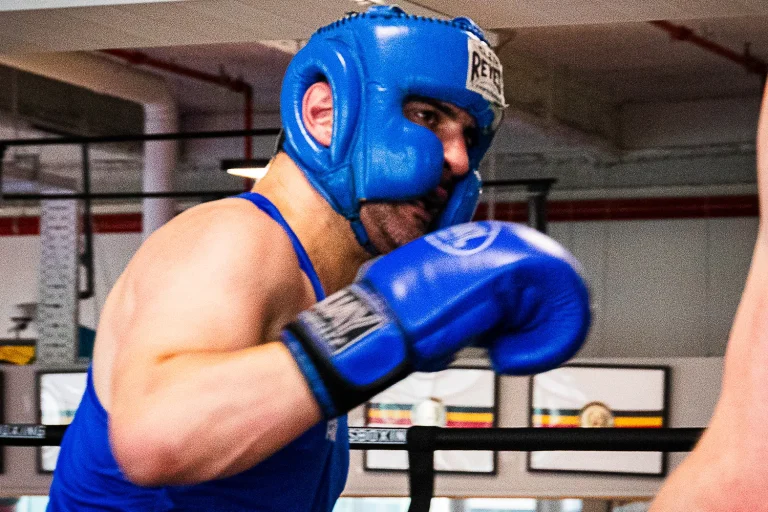





Boxing is a demanding, intense combat sport that exposes those who practise it to a number of injuries. However, with the right habits and proper precautions, you can minimise these risks and fully enjoy the benefits this sport offers. In this article, we look at common boxing injuries, how to prevent them and why suitable equipment matters. Find out how to box safely!
What are the most common boxing injuries?
Cuts and bruises
Cuts and bruises are common in boxing. They can be caused by direct blows or by friction from gloves or the ring ropes. Cuts usually occur on the face, while bruises mainly affect the body.
Sprains and strains
Sprains and strains are common injuries among boxers. An ankle sprain can happen when a boxer trips or lands badly after a punch. A wrist sprain is also common, usually caused by a poorly executed punch or a violent impact.
Fractures
Fractures are less common but can be serious. A broken nose is a frequent boxing injury, as is a broken hand, often due to a badly placed punch or unsuitable gloves. To choose the right gloves, check out this guide: how to choose your boxing gloves.
Brain injuries
Brain injuries, such as concussion and subdural haematoma, are potentially serious injuries that can have long-term consequences. They are often caused by repeated blows to the head.
How can you avoid boxing injuries?
Why preparing before training or a fight matters
A proper warm-up and stretching routine are essential to prepare your body for training or a fight. They raise your body temperature, improve flexibility and reduce the risk of injury. Read this article on warming up to minimise your chances of getting hurt.
What protective equipment is essential in boxing?
Wearing suitable protective equipment is crucial to preventing boxing injuries. Here are the essentials:
- Boxing gloves: choose gloves suited to your size, weight and experience level. They should offer good support and optimal protection. Check out this guide to choosing your gloves: boxing protective equipment.
- Headgear: it protects the head and face from impacts and reduces the risk of brain injury. Make sure your headgear fits properly and meets safety standards.
- Mouthguard: it protects the teeth, gums and jaw from direct blows. A well-fitted mouthguard is essential for avoiding oral and dental injuries.
- Hand wraps: they support and protect the wrists and hands on impact. Make sure you wrap them correctly for optimal support.
Strengthening your muscles to prevent injuries
Strength training exercises are essential for reducing the risk of injury in boxing. They improve the strength, stability and endurance of the muscles you use when boxing. Don’t forget to rest and recover properly after training to avoid overload and injury.

Specific prevention techniques for each common boxing injury
Preventing cuts and bruises
- Master defensive techniques: learning defensive techniques properly helps minimise the risk of cuts and bruises.
- Use petroleum jelly to reduce friction: applying petroleum jelly to sensitive areas of the face can help reduce friction and irritation caused by gloves or the ring ropes.
Avoiding sprains and strains
- Strengthen your joints: specific exercises can help strengthen your joints and prevent sprains and strains.
- Wear suitable footwear: boxing shoes with good support and grip reduce the risk of slipping and falling, limiting sprains and strains.
Preventing fractures
- Use gloves suited to your size and weight: well-fitted gloves suited to the boxer’s build spread the impact and limit the risk of fractures. Check out this guide to choosing the right gloves: how to choose your boxing gloves.
- Learn to protect yourself properly: good defensive and guarding technique reduces direct impacts on fragile bones, lowering the risk of fractures.
Reducing the risk of brain injury
- Adopt a smart fight strategy: by avoiding unnecessary exchanges and prioritising defence and movement, you can limit the number of punches you take to the head.
- Know when to stop a fight or a training session: if you notice signs of fatigue or pain, it’s crucial to know when to stop to avoid making an injury worse or causing a brain injury.
Treating boxing injuries
The importance of early detection
Knowing the signs and symptoms of common boxing injuries is essential for early detection and prompt treatment. Don’t ignore pain or discomfort, and see a healthcare professional if necessary.
Rest and recovery
Rest and recovery are crucial to allow the body to heal and recover after an injury. It’s important to follow the advice of your doctor or physiotherapist to avoid aggravating the injury and prolonging your recovery period.
Medical follow-up and rehabilitation
Regular medical follow-up and suitable rehabilitation are essential for a safe return to boxing. Work with healthcare professionals to develop a personalised, progressive rehabilitation programme.
Challenges to tackle for a safer future
Technological advances
The development of innovative protective gear and the use of telemetry to monitor boxers’ health are promising ways to improve safety in boxing.
Research and studies on boxing injuries
Understanding how injuries happen and assessing the effectiveness of preventive measures is crucial for developing ever more effective prevention strategies.
Changing rules and standards in boxing
Adapting the rules to reduce the risk of injury and introducing stricter safety standards are major issues for the future of boxing. To learn more about the differences between amateur and professional boxing, read this article: 6 differences between amateur and professional boxing.
Why is injury prevention essential for the future of boxing?
The sustainability of boxing
Injury prevention plays a crucial role in the sport’s popularity and in boxers’ performance. A safer sport attracts more participants and raises the overall standard.
Boxers’ health and well-being
The long-term consequences of injuries and quality of life after a sporting career are major concerns for boxers and their families. Injury prevention is essential for preserving athletes’ health and well-being.
Social and ethical responsibility
Protecting young boxers and the role of sporting institutions and organisations are important issues in ensuring a safer, more ethical future for boxing.
In conclusion, injury prevention in boxing is essential to keep those who practise it safe and to secure a brighter future for the sport. Adopting good practices, using suitable equipment and developing new technologies all help make boxing safer and accessible to everyone.

Awareness and education for a safer future in boxing
Stories from boxers who overcame injuries
The experiences of famous boxers who overcame injuries can inspire and encourage other athletes to adopt safe practices and stay committed to injury prevention.
Champions committed to safety
Many top-level boxers champion safety in boxing by taking part in awareness and education initiatives or by working with organisations and researchers to improve knowledge and practices in injury prevention.
The role of the media and influencers in promoting safety in boxing
Spreading information on injuries and their prevention
The media and influencers have an important role to play in spreading information about boxing injuries and how to prevent them. News reports, documentaries, social media and blogs can all help raise awareness among the general public and boxers of the importance of injury prevention.
Getting celebrities and influencers involved
Celebrities and influencers can act as ambassadors for boxing safety by getting involved in awareness campaigns and sharing their experiences and tips for boxing safely.
Building a culture of safety in boxing for future generations
Educating young boxers
It’s crucial to educate young boxers about the risk of injury and how to prevent it from the moment they start. Boxing training and introductory programmes can include injury prevention and good practices to keep future boxers safe.
Encouraging open and honest communication
Sharing experiences and advice between boxers, coaches and healthcare professionals is essential for improving injury prevention and promoting a culture of safety in boxing.
Recognising safe practices
It’s important to recognise and reward efforts in injury prevention and to promote a positive image of boxing, focused on athletes’ safety and health.
In short, injury prevention in boxing is a major issue for ensuring boxers’ safety and well-being as well as the sport’s long-term future. Through the commitment of athletes, coaches, institutions and the media, it’s possible to create a safer environment for boxers and secure a bright future for this exciting sport.
To learn more about boxing equipment and tips for training safely, feel free to visit the NBS Boxing website. You’ll find useful information on choosing gloves, headgear and other essential protective equipment to prevent boxing injuries. Don’t miss this chance to improve your boxing and make sure you train safely!