



Boxing is one of the most iconic sports at the Olympic Games. It first appeared at the Olympics in 1904. Since then, boxing has captivated audiences with its intense, suspense-filled competitions. However, Olympic boxing is governed by strict rules that differ from professional boxing.
In this article, we’ll take a detailed look at the specifics and rules of Olympic boxing, the differences between amateur and professional boxing, and the steps to follow to compete in Olympic boxing. We’ll also cover preparing for boxing championships in Belgium, as well as the importance of boxing classes for amateurs!
What are the rules of boxing at the Olympic Games?
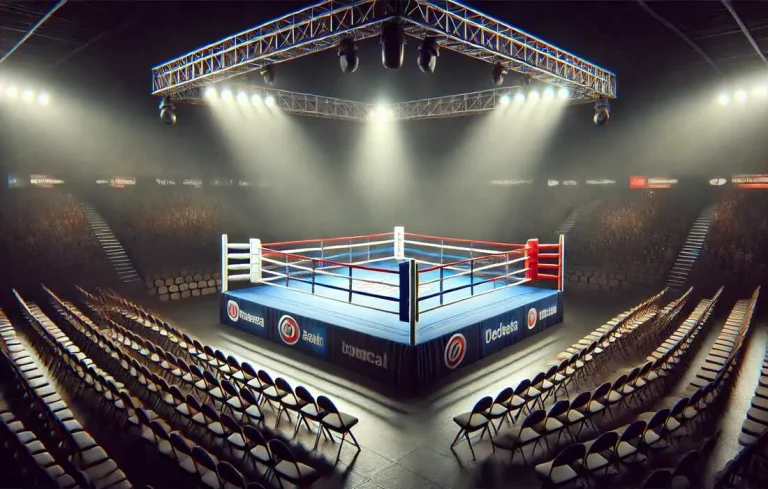
Boxing is a combat sport in which two boxers face each other in a ring. Bouts consist of three rounds of three minutes each. Naturally, the rules allow one minute of rest between each round.
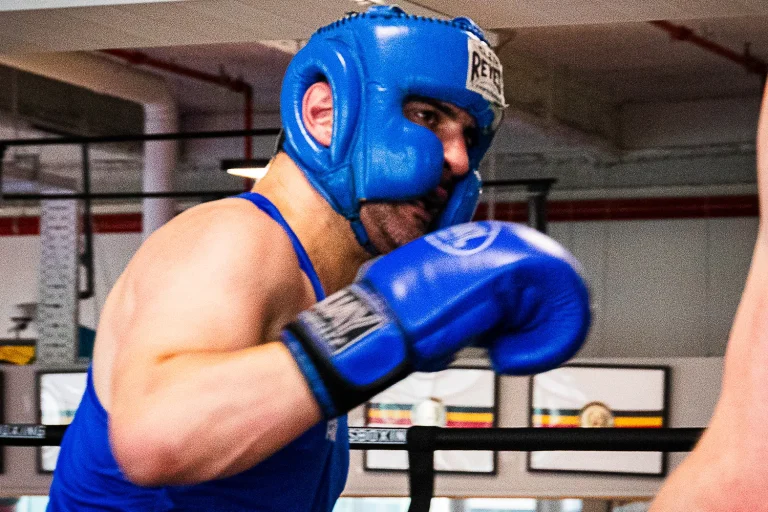
In this sport, boxers wear the following equipment to protect themselves from the force of the punches:
- boxing gloves
- a suitable mouthguard
- headguard
- chest protector for women
During the Olympic competition, 3 independent judges are assigned to assess the quality of the bouts. In other words, they use a scoring system to evaluate the boxers’ performances. The winner is the one who scores the most points.
Note that Olympic boxing is governed by strict rules to ensure the boxers’ safety. Many punches are prohibited:
- punches to the back of the neck
- punches to the spine and the back of the head
- punches below the belt
- blows with the palm of the hand
- blows with the elbow, shoulder or head

How to compete in Olympic boxing?
To compete in Olympic boxing, boxers must go through a long and rigorous process. Here are the steps to follow to take part in the Olympic Games:
- first, they must qualify for their country by competing in national and international amateur boxing competitions
- the best boxers from each country are then selected to represent their country at the Olympics
- once selected, the boxer must comply with the strict rules laid down by the International Olympic Committee (IOC) and the International Amateur Boxing Association (AIBA). This includes anti-doping testing requirements
- Olympic boxing is also subject to strict age criteria. Boxers must be at least 18 years old to compete in Olympic boxing, and there is no upper age limit
How to prepare for Olympic boxing in Belgium?
In Belgium, preparing for the boxing championships is the first and most important step.
Requirements for competing in Olympic boxing
Boxers who want to take part in the Olympics or other amateur boxing competitions must go through this stage. Belgian boxers must also follow a rigorous training programme that includes intense physical training sessions and boxing classes.
In addition, they are required to meet the weight requirements for their respective weight class. This means they must stay under a set maximum weight for their age group just before the bout.
That said, mental preparation is also essential for Belgian boxers. Boxing competitions are often intense and full of suspense. As a result, boxers must be able to stay focused and keep their cool during bouts.
Boxing classes for optimal preparation
Boxing classes are a crucial step in preparing boxers for amateur boxing competitions, especially as they allow boxers to develop their punching technique, endurance and physical strength.
Boxing classes can also help boxers develop:
- their balance
- their coordination
- the mental skill of reading an opponent
- quick decision-making
Note that boxing classes can be given by professional coaches, local boxing clubs or boxing training centres. It’s important for boxers to find a boxing class suited to their skill level and training goals, so as to develop and make the most of their abilities.

What is the difference between amateur and professional boxing?
Boxing is divided into two categories: amateur boxing and professional boxing. Although the two forms share some similarities, there are important differences to bear in mind.
One of the main differences is that amateur boxing is practised at the Olympic Games and in other amateur boxing competitions. Professional boxing, on the other hand, focuses on paid fights.
Amateur and professional boxing also differ in terms of rules. For example, in amateur boxing, bouts are divided into three rounds. In professional boxing, however, fights are often longer and can last up to twelve rounds.
What’s more, the rules on protection are stricter in amateur boxing. Amateur boxers must wear thicker boxing gloves. They are also subject to stricter head protection requirements than professional boxers.
Finally, professional boxers have more freedom when it comes to advertising. Junior boxers, by contrast, are far less free to take on sponsors as they wish.
To conclude, boxing is a sport that is both exciting and demanding. The Olympic Games offer amateur boxers a unique platform to showcase their skills and represent their country.

Enjoyed this article? We invite you to get in touch with one of our experienced coaches to take things further. If you have any questions or comments, send us a message or call us on +32 473 29 42 99. To work towards Olympic boxing, join our club and enjoy a FREE session!