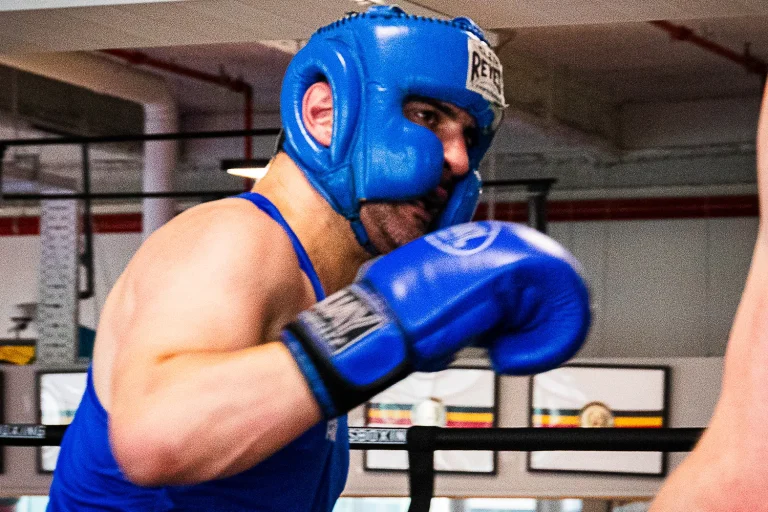





French boxing, also known as savate, is a martial art that emerged in France at the start of the 19th century. It is characterised by the use of both feet and hands to strike, offering a complete range of movements and techniques. The origins of savate lie in the streets of Paris, where it began as a form of street fighting before developing into a structured sport. Over the years, French boxing has grown in popularity, not only in France but around the world, attracting practitioners of all ages and backgrounds. It is known for its dynamic nature and its tactical approach to fighting, demanding both agility and intelligence from fighters.
Today, French boxing is practised at both amateur and professional level, with competitions held locally, nationally and internationally. It is also taught in many martial arts schools and fitness centres, contributing to its continued growth and its recognition as a sporting discipline in its own right.
The Rules of French Boxing
An elegant and technical combat sport, French boxing takes place within a strictly regulated framework to ensure fairness and fighter safety. Here is a detailed overview of the basic rules:
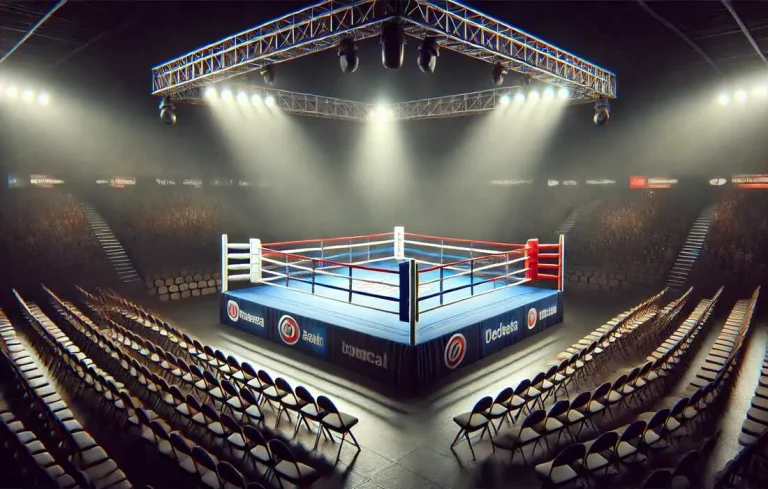
- The Fighting Area: Bouts take place in a square ring, similar to the one used in English boxing, providing a defined space for the contest.
- Equipment: The fighters, or “tireurs”, wear boxing gloves and special shoes that make kicking easier while protecting the feet. Protective gear is completed by shin guards and groin guards, which are essential to minimise the risk of injury.
- How a Bout Works: Bouts are divided into rounds, whose length and number vary depending on the level of competition. A break is given between rounds to let the fighters recover.
- Weight Classes: To ensure fair fights, competitors are divided into different weight classes.
- Permitted Techniques: French boxing allows a wide variety of strikes, including different types of kicks and punches. Techniques must be executed with precision and control.
- Prohibited Moves: Certain moves and techniques are strictly forbidden to guarantee fighter safety. These include headbutts, low blows and throws.
- Scoring System: Fighters are judged on their ability to hit their opponent with permitted techniques while avoiding the opponent’s attacks. Points are awarded based on the accuracy, technique and effectiveness of the strikes landed.
By following these rules, French boxers can face each other in a competitive setting while minimising the risk of injury, putting art and technique ahead of brute force.

Savate Techniques
French boxing is renowned for its technical diversity, combining kicks and punches in a precise, calculated ballet. Kicks can be delivered at different heights, targeting the opponent’s head, torso or legs, and can be executed in different ways, including roundhouse kicks, front kicks and whipping kicks. The punches follow traditional boxing techniques, with jabs, hooks and uppercuts. Fighters must also master the art of evading and blocking, using nimble footwork and parries to protect themselves from their opponent’s attacks.
Strategies in French boxing are complex and vary from one fighter to another. Some prefer an offensive approach, seeking to dominate their opponent with a series of quick attacks, while others adopt a more defensive stance, using their agility to evade attacks and counter at the right moment. The key to success in French boxing lies in the ability to anticipate the opponent’s movements, control distance and execute techniques with precision and effectiveness.
Training in French Boxing
Training in French boxing is demanding and comprehensive, aiming to develop both physical fitness and technical mastery. Typical sessions include a warm-up, conditioning exercises, technical drills and sparring. Fitness is a crucial component, with an emphasis on endurance, strength and flexibility. Cardio exercises such as running and skipping rope are complemented by strength training exercises and stretching.
Technical mastery is developed through repetitive drills, practising the different kicking and punching techniques as well as defensive movements. Sparring, or practice fighting, lets fighters put what they have learned into practice in a controlled environment, sharpening their reflexes and their understanding of combat. For beginners, the emphasis is on learning the basics, with a gradual progression towards more advanced techniques and more complex fighting situations. Guidance from an experienced coach is essential, providing feedback and direction to ensure safe and effective development. Training in French boxing strengthens not only the body but also the mind, cultivating discipline, concentration and self-confidence.
Competitions and Championships
French boxing offers fighters a clear path of progression, from local competitions to national and international championships. Fighters are ranked according to their experience and skill level, ensuring fair and competitive bouts. Competitions are run according to the strict rules of the French boxing federation, with judges and referees making sure bouts are fair and safe. The judging criteria in French boxing are complex, taking into account not only the number of strikes landed but also the technique, accuracy and effectiveness of the attacks.
Fighters must demonstrate complete mastery of French boxing techniques, as well as the ability to adapt and respond to their opponent’s strategies. National and international championships represent the pinnacle of competition in French boxing, attracting the best fighters from around the world. These events are not only a showcase for talent and skill, but also a celebration of the art and culture of French boxing.
The Benefits of French Boxing
Practising French boxing offers a host of benefits, both physical and mental. Physically, it helps improve cardiovascular fitness, muscular strength, flexibility and coordination. The dynamic, explosive movements of French boxing work the whole body, burning calories and building muscle. Mentally, French boxing demands concentration, reactivity and strategy, helping to sharpen the mind and improve decision-making. Regular practice also helps relieve stress and boost self-confidence, offering a healthy outlet for self-expression.
What’s more, French boxing is practised within a community, offering social support and a strong sense of belonging. French boxing clubs are meeting places where practitioners share not only techniques and strategies but also values such as respect, discipline and perseverance. Finally, French boxing is open to everyone, regardless of age, gender or fitness level, making it an inclusive and rewarding activity.

Conclusion
French boxing is a rich and varied combat sport that offers its practitioners complete development, both physical and mental. With its historical roots and worldwide popularity, it continues to attract people and enrich the lives of those who practise it. Its strict rules and varied techniques make it a demanding sport that calls for skill and strategy. Whether you are a beginner or an experienced fighter, French boxing offers a unique learning path that values respect, discipline and excellence.
Now that you have discovered the finer points and richness of French boxing, why not try it for yourself? Join us at our dedicated boxing gym and enjoy a free first training session. Our experienced coaches will be there to guide you and introduce you to the techniques of this exciting sport. Don’t wait any longer: contact us on +32 473 29 42 99 or via our contact form. We are located in Brussels, in the Mint gallery, and we look forward to welcoming you!