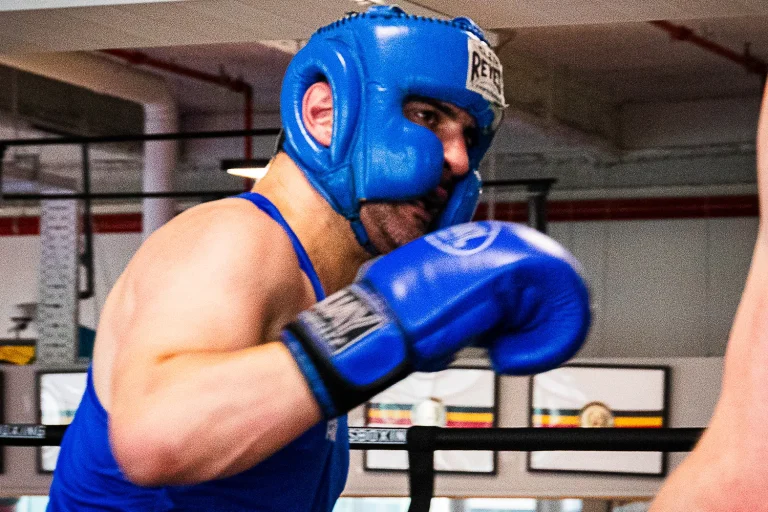





Featherweight is a weight class in boxing, renowned for its combination of speed, agility and technique, and it has always been a fascinating cornerstone of the boxing world. Featherweights, with a weight limit generally set between 54 and 57 kilograms (roughly 119 to 126 pounds), have often shown that power is not measured in brute strength alone, but also in skill and strategy. The history of this division is rich and varied, going back to the bare-knuckle era, when figures such as Bob Fitzsimmons began to shape the division’s legacy.
Over the years, the featherweight division has produced legends such as Henry Armstrong and Willie Pep, boxers who not only dominated their weight class but also left an indelible mark on boxing history. These athletes defined an era, setting records and creating unforgettable moments that captivated the world. The featherweight division has evolved over the decades, but it remains a symbol of how agility, technique and heart can triumph in the boxing ring.
Iconic Boxers and Their Contributions
The featherweight division has witnessed spectacular performances from many boxers who not only shone in the ring but also contributed significantly to the popularity and evolution of the division. Willie Pep, often cited as one of the greatest featherweights of all time, was famous for his impenetrable defence and his ability to win rounds without even throwing a punch. His rivalry with Sandy Saddler is etched in history as one of the fiercest in the division. Henry Armstrong, although he fought in several weight classes, also left an indelible mark at featherweight, with an aggressive fighting style and unmatched stamina that often overwhelmed his opponents.
More recently, boxers like Prince Naseem Hamed captivated audiences with their charisma, confidence and exceptional punching power, redefining what it means to be a featherweight. These boxers, among many others, not only defined their era but also shaped the legacy and perception of the featherweight division, showing the diversity and depth of talent it has to offer.
Featherweight Techniques and Fighting Styles
Featherweights are often celebrated for their speed, agility and refined technique, attributes that are essential to succeed in this weight class. Featherweight fighters tend to emphasise fast feet and fast hands, using their agility to slip attacks and counter with precision. Speed is often used to make up for a lack of raw punching power, with a focus on combining quick punches and defensive movement to throw the opponent off balance.
Boxers like Willie Pep were masters of defence and movement, using their ability to avoid punches to frustrate and tire their opponents. On the other hand, boxers like Prince Naseem Hamed brought exceptional punching power to the division, using a combination of speed and power to finish fights in spectacular fashion. The featherweight division therefore offers a whole palette of styles and techniques, from elegant footwork to explosive punching power, illustrating the diversity and complexity of boxing in this weight class.

Challenges, Controversies and Social Impact
While the featherweight division has been a source of entertainment and athletic prowess, it has not been free of challenges and controversies over the years. Boxers, promoters and organisations have had to deal with a range of issues, such as controversial judging, accusations of fixed fights and ethical dilemmas around boxers’ health and safety. Figures like Prince Naseem Hamed faced criticism for their provocative behaviour and a self-assurance sometimes seen as arrogance, sparking debate about the place of showmanship and humility in the sport.
At the same time, the division has also been a vehicle for social and political impact. Boxers such as Barry McGuigan, who fought during the Troubles in Northern Ireland, used their platform to promote messages of peace and unity, showing that boxing, and the featherweight division in particular, can be a powerful agent of social change and a symbol of hope beyond the ropes. Challenges and controversies have often been intertwined with moments of significant social impact, adding depth and complexity to the history of the featherweight division.
Conclusion and Outlook
With its rich heritage and unforgettable moments, the featherweight division remains a vital and exciting part of boxing. Today’s featherweights, while building on the foundations laid by the legends of the past, bring new techniques, innovative strategies and fresh energy that keep the division alive and vibrant. Future fighters and future fights promise to keep capturing the public’s imagination, inspiring the next generation of boxers and writing the next chapters of the division’s history.
Current and future issues, such as managing boxers’ health, the integrity of the sport and evolving fight formats, will be crucial in shaping the future of the featherweight division. Looking ahead, the featherweight division is set to remain a source of excitement, drama and inspiration, offering a stage where speed, technique and heart come together in a spectacular display of the noble art of boxing.
Want to discover boxing at our club in Brussels? Come and take a FREE first trial class. You can reach us on +32 473 29 42 99 or via the contact form.