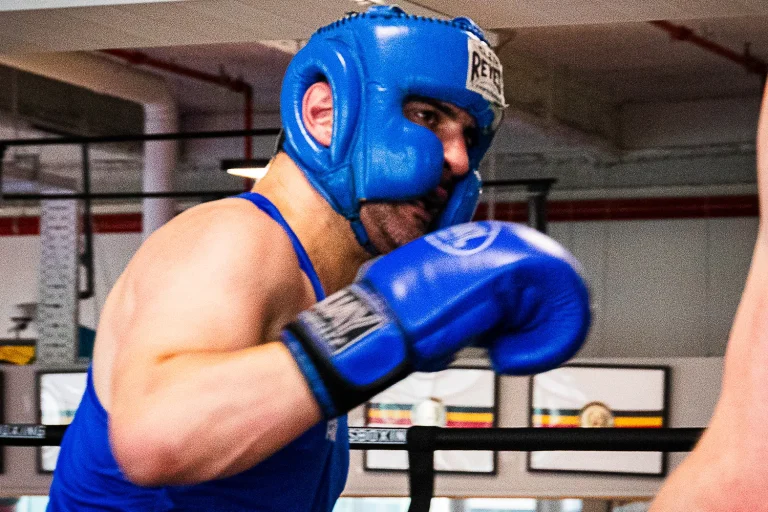




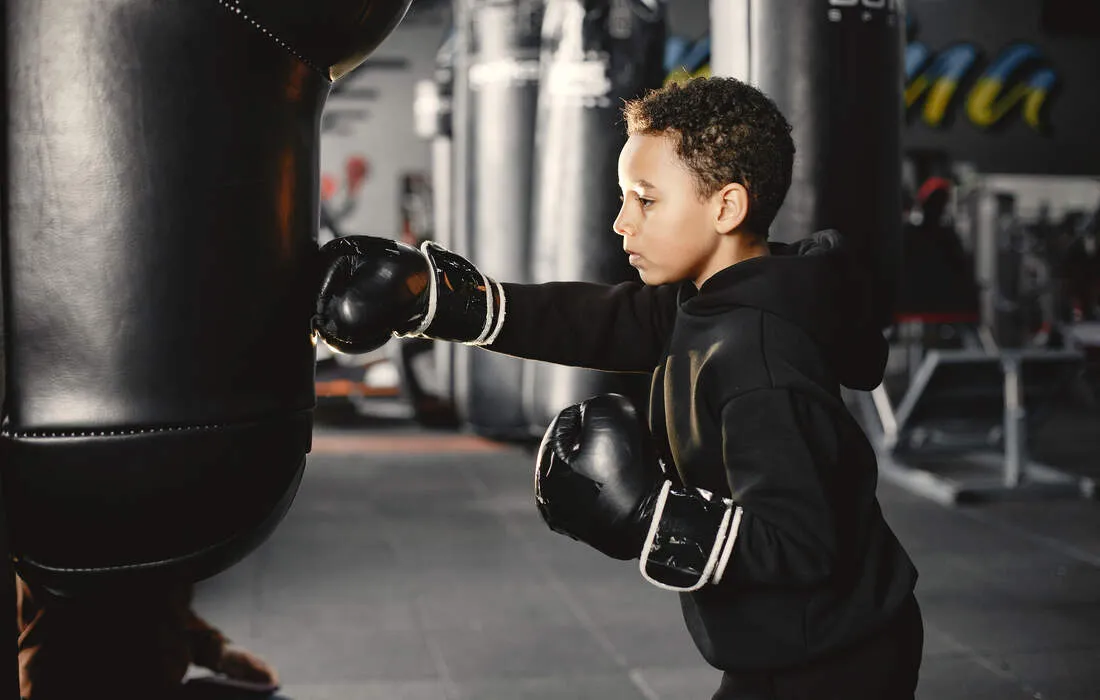
Boxing for kids is much more than just a combat sport. It is a fantastic opportunity for young people to develop both physically and mentally. These days, many parents are looking for activities that can help their children channel their energy while learning essential values, and boxing ticks every one of those boxes.
Practising boxing for children not only improves coordination, strength and endurance, but also builds self-confidence and discipline. Every training session is a lesson in commitment, perseverance and respect. Indeed, contrary to popular belief, boxing does not encourage violence; instead, it teaches self-control and respect for your opponent.
What’s more, with the growing popularity of English boxing for kids, more and more clubs are offering classes tailored to younger athletes, guaranteeing a safe and supervised environment. As a result, boxing has become a top choice for parents who want to give their children a well-rounded and rewarding activity.
Why take up boxing?
Boxing for kids is much more than a simple sporting discipline; it is a school of life. When you look at the reasons why children should take up this sport, several benefits stand out.
First of all, on a physical level, boxing for children offers a complete workout. It engages the whole body, strengthening muscles, improving coordination and boosting endurance. It is also excellent for the cardiovascular system, helping children develop a strong, healthy heart from an early age.
On a mental level, boxing is an invaluable source of self-confidence. Every punch thrown and taken, every round, every victory, however small, reinforces the belief that with hard work and perseverance, obstacles can be overcome. In addition, English boxing for kids in particular focuses on technique rather than brute strength, which teaches patience and strategy.
But beyond the physical and mental benefits, boxing instils essential values. Respect for the opponent, discipline, commitment and integrity are at the heart of every training session. In a world where competition is everywhere, boxing for children offers a space where effort is valued as much as the result.
In short, boxing is much more than a sport; it is a personal development tool that prepares children to face life’s challenges with courage and determination.

At what age can you start boxing?
Getting started in boxing often raises a question for parents: from what age can their child take it up? While most clubs welcome youngsters from the age of 6 or 7, the teaching approach differs depending on age.
At this tender age, teaching is above all playful. Basic movements are introduced through games, without any combat situations. It is a period of discovery in which the child gets to know their body and learns to coordinate their movements.
Around the age of 10, training becomes more structured. Techniques are refined, and sparring is introduced gradually, always with safety as the top priority. This is also when some may move towards specific disciplines, such as English boxing.
It is crucial to understand that every child develops at their own pace. While some are ready to commit earlier, others need more time. The key is to find the right environment, where coaches pay attention to individual needs.
In short, although the starting age varies, what matters is ensuring a suitable progression that gives every child a rewarding and safe experience.
Different types of boxing for kids
Although boxing is often seen as a single sport, it actually comes in several disciplines, each with its own characteristics and techniques. For children keen to try this martial art, it is essential to know the different options available in order to choose the one that best suits their aspirations and temperament.
English boxing, often called “classic boxing”, is one of the most popular forms. It focuses mainly on the use of the fists and emphasises technique, speed and precision. It is an excellent introduction for children because it teaches the fundamentals of movement, guard and punching.
However, there are other styles that can also be adapted for younger athletes. For example, Thai boxing, which allows the use of elbows and knees as well as fists and feet, offers a more complete approach to fighting. It can be ideal for children looking for a more dynamic discipline.
There is also French boxing, or savate, which combines kicks and punches with elegance and agility. It is renowned for its discipline and respect for tradition.
In conclusion, the world of boxing is vast and diverse. Each style has its own advantages and particularities. For a child, the most important thing is to find the one that resonates with them, allowing them to thrive while learning the core values of the sport.

Tips for choosing a boxing club or school for kids
Choosing a boxing club for your child is an important decision that requires careful thought. Several criteria are essential to make sure your child receives quality training in a safe environment.
- Coaches’ qualifications: It is vital to make sure the coaches are certified and have proven experience in teaching boxing to children. Their teaching methods should be suited to the age and level of the young boxers.
- Facilities and equipment: A good club should have modern, well-maintained facilities. The equipment should be suitable for children and regularly replaced to ensure their safety.
- Tailored programmes: Every child is unique. The club should offer different programmes based on age and level, allowing each youngster to progress at their own pace.
- Recommendations and reviews: It is always a good idea to ask other parents or read online reviews to get feedback on the club.
- Location: How close the club is to your home or your child’s school can be a deciding factor, especially in terms of logistics.
- Atmosphere and values: It is essential that the club promotes positive values, such as respect, discipline and mutual support, and offers a warm and welcoming atmosphere.
With these criteria in mind, NBS boxing in Brussels stands out as an excellent option. With qualified coaches, modern facilities and age-appropriate teaching, it offers an ideal setting for children to discover boxing and progress.
Equipment needed for kids’ boxing
Equipment is a crucial part of boxing, especially for children. It not only ensures better performance but also, and above all, the safety of the young boxer.
1 – Boxing gloves
Boxing gloves are essential to protect the hands and wrists from impact. For children, it is recommended to choose gloves suited to their size and weight, generally between 6 and 10 oz.
2 – Mouthguard
A mouthguard is indispensable to protect the teeth, gums and jaw from punches. It should be moulded to the child’s mouth to provide optimal protection.
3 – Hand wraps
Boxing hand wraps support the wrists and protect the hands from scrapes. They are usually made of cotton and must be wrapped correctly to avoid any risk of injury.
4 – Boxing shoes
Boxing shoes provide better grip on the floor and protect the feet. They should be light and comfortable.
5 – Headguard
Although often optional during training, a boxing headguard is strongly recommended for sparring. It protects the head from punches and reduces the risk of concussion.
In conclusion, being properly equipped is essential for children who box. It guarantees not only their safety but also their comfort, allowing them to fully thrive in the discipline.
Conclusion

Boxing, much more than just a sport, is a school of life for children. It teaches them discipline, respect and perseverance while building their self-confidence. Choosing the right club, getting the right equipment and understanding the different disciplines are all crucial steps to ensure a positive experience. Ultimately, boxing gives children a platform to develop both physically and mentally, preparing them to face life’s challenges with courage and determination.
Would you like to enrol your child in a boxing class for kids? They can come along for a FREE first trial class at our club in Brussels. You can reach us on +32 473 29 42 99 or via the contact form.