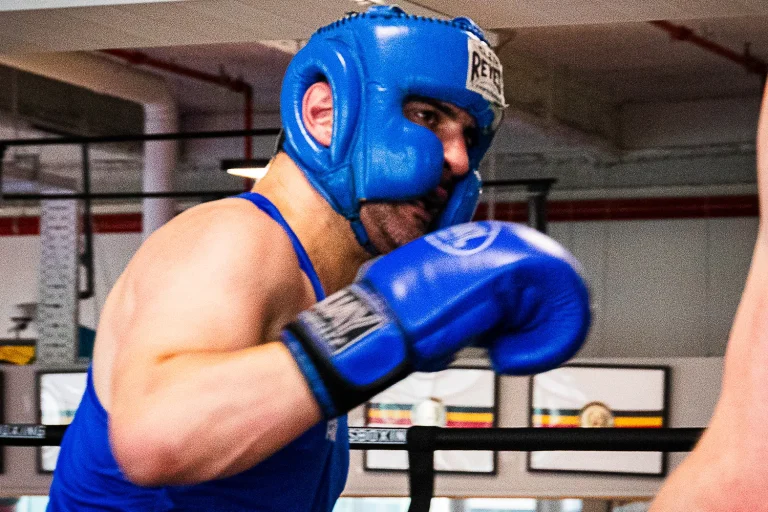





Sanda, often called Chinese boxing, is a fascinating martial art that skilfully combines striking and grappling techniques. Born in China, this combat sport has deep roots in Chinese history and culture. It was originally practised by Chinese soldiers as a form of combat training. Today, it is recognised as a sport in its own right and is growing in popularity around the world.
Sanda is much more than just a combat sport; it is an integral part of China’s rich cultural tapestry. It embodies the philosophy and discipline of traditional Chinese martial arts while incorporating modern elements of sporting competition. This unique fusion of tradition and modernity makes Sanda a distinctive and respected martial art.
Compared with other martial arts, Sanda stands out for its combination of striking techniques (such as punches and kicks) and grappling techniques (such as throws and holds). This all-round approach makes it a highly effective and dynamic fighting system. Unlike martial arts such as Karate or Taekwondo, which focus mainly on strikes, Sanda offers a more holistic approach to fighting.
The Fundamentals of Sanda
Basic techniques
With its unique blend of techniques, Sanda offers a complete fighting experience.
- Strikes: Sanda practitioners master a variety of punches and kicks. Punches include techniques such as the straight, the hook and the uppercut, while kicks range from low kicks to roundhouse kicks and jumping kicks. These techniques are not only powerful but are also executed with surgical precision.
- Kicks: Kicks in Sanda are renowned for their effectiveness and variety. From fast low kicks to spectacular high kicks, every technique has its place in a Sanda practitioner’s arsenal. These kicks are not just for show; they are also extremely effective at throwing an opponent off balance.
- Grappling and throwing techniques: What really sets Sanda apart is the integration of grappling and throwing techniques. These moves allow practitioners to take control of their opponent, often by turning the opponent’s own strength against them. Throws are not only impressive to watch but are also crucial for gaining a tactical advantage in a fight.

Stances and movement
Stance and movement are essential in Sanda. A good stance allows efficient mobility and provides a solid base for attack and defence. Movement in Sanda is fluid and dynamic, allowing practitioners to move quickly and slip attacks while looking for opportunities to counter.
Physical and mental training
Sanda demands a high level of physical fitness. Typical training sessions include cardio, strength and flexibility work. But Sanda is not just a physical challenge; it also requires strong mental discipline. Practitioners learn to stay calm and focused under pressure, a skill that is just as valuable in everyday life.
Sanda Rules and Competitions

Basic rules
As a combat sport, Sanda is governed by a set of rules designed to ensure fairness and safety for competitors. Bouts take place in a ring, and fighters score points by landing striking and throwing techniques on their opponent. Illegal blows, such as strikes to the back of the head or the spine, are strictly forbidden, ensuring a fight that is both safe and exciting.
Weight classes and equipment
As in many combat sports, Sanda competitors are divided into weight classes to ensure balanced fights. Protective equipment is also an essential component, including gloves, shin guards and headguards for amateurs, all contributing to the athletes’ safety.
Competition formats
Sanda competitions vary in format, from local tournaments to world championships. Bouts are generally divided into several rounds, with judges awarding points for successful techniques. This competition structure tests not only the fighters’ skill but also their stamina and strategy.
Famous tournaments and championships
Sanda has gained international recognition, with prestigious events such as the World Wushu Championships and the Asian Games. These tournaments give the best Sanda practitioners from around the world a stage to show their mastery and competitive spirit.
Sanda for Self-Defence
Effectiveness in real situations
With its pragmatic approach and varied techniques, Sanda is extremely effective for self-defence. Practitioners learn to react quickly and efficiently in a range of situations, using punches, kicks and throws to neutralise an opponent. This versatility makes Sanda particularly well suited to self-defence in real-life scenarios, where unpredictability is the norm.
Specific defence techniques
The techniques taught in Sanda apply directly to self-defence. For example, low kicks can be used to unbalance an attacker, while throwing techniques make it possible to control or pin an opponent. In addition, Sanda training develops spatial awareness and the ability to anticipate an opponent’s movements, crucial skills in a self-defence situation.
Sanda and distance management
A key skill taught in Sanda is distance management, which is essential for self-defence. Practitioners learn to keep an optimal distance from their opponent, allowing them to strike effectively while minimising the risk of a counter-attack. This mastery of distance is a valuable asset, giving the practitioner a tactical advantage in a confrontation.
Sanda is more than a combat sport; it is a complete and effective self-defence system. It teaches practical techniques and distance management skills while developing speed, strength and self-confidence. For anyone looking to improve their ability to defend themselves, Sanda offers valuable training that applies to everyday life.
Sanda and Health

Physical benefits
Sanda offers many physical health benefits, including:
- Cardiovascular improvement: Increases stamina and heart health.
- Muscle strengthening: Builds strength across a range of muscle groups.
- Greater flexibility: Improves suppleness through dynamic movements.
- Weight loss: Burns calories and helps maintain a healthy weight.
- Coordination and balance: Strengthens motor coordination and balance.
Psychological benefits
The psychological benefits of Sanda are just as important:
- Stress reduction: Intense exercise helps reduce stress and anxiety.
- Self-confidence: Mastering new skills boosts self-esteem.
- Social development: Training in a group encourages interaction and a sense of belonging.
Sanda for all ages
Sanda is accessible and beneficial for people of all ages:
- For children: Develops discipline, respect, coordination and fitness.
- For adults: Offers an effective way to stay active and take on challenges.
- For seniors: Adapted programmes for mobility, flexibility and cardiovascular health.
Sanda is a complete practice that promotes better physical and mental health. It suits everyone, offers specific benefits for each age group, and is an excellent way to stay fit, reduce stress and thrive in a social environment.
Learning Sanda
Finding a good dojo or school
To get started in Sanda, the first step is to find a suitable place to train. A good Sanda dojo or school should offer a welcoming environment, qualified coaches and proper equipment. It is important to choose a place that not only teaches Sanda techniques but also promotes the values of respect, discipline and physical and mental well-being.
Tips for beginners
For newcomers, here are a few essential tips:
- Be patient: Learning Sanda takes time. Don’t get discouraged if progress seems slow.
- Practise regularly: Consistency is the key to improving your Sanda skills.
- Listen to your body: Avoid injury by paying attention to your body’s signals and not pushing your limits too far.
- Learn from others: Watch and learn from your training partners and coaches.
Progression and belts
The progression system in Sanda can vary from school to school, but it is generally marked by levels or belts that indicate the student’s skill and experience. Each level is a stage in the practitioner’s journey, with its own challenges and rewards. Progressing in Sanda is not just a matter of learning techniques but also of personal development and a deeper understanding of the art.
The Cultural and Popular Influence of Sanda

Sanda in the media and film
Sanda has captured the public imagination far beyond China’s borders, thanks in part to its exposure in the media and in film. From martial arts movies to documentaries, Sanda is often portrayed as a spectacular and effective martial art, drawing the attention of martial arts enthusiasts around the world. This media coverage has played a crucial role in popularising Sanda, highlighting its technical richness and aesthetic beauty.
Influence on other martial arts
Sanda’s influence also extends to other martial arts disciplines. With its unique combination of striking and throwing techniques, Sanda has inspired practitioners and coaches from other styles to incorporate similar elements into their own training. This cross-disciplinary fusion enriches the world of martial arts, encouraging cultural and technical exchange.
Sanda and sports diplomacy
Sanda also plays a role in sports diplomacy, serving as a bridge between different cultures. Through international competitions and cultural exchanges, Sanda contributes to intercultural dialogue and better mutual understanding. These events are not just opportunities to compete but also moments of sharing and learning between nations.
Join us
Interested in combat sports? Come and try it out at our boxing gym! By signing up now, you can enjoy a free first training session. You will be guided by our best coaches. Don’t wait any longer: contact us on +32 473 29 42 99 or via this contact form! You’ll find us in the Mint gallery in Brussels.