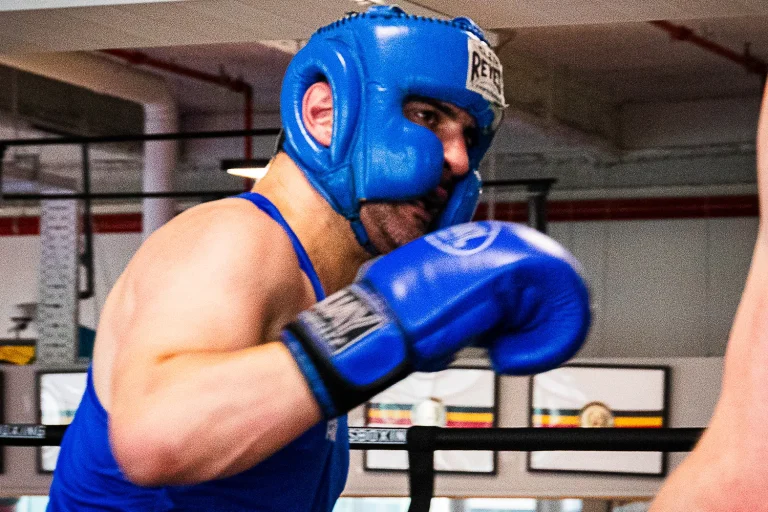




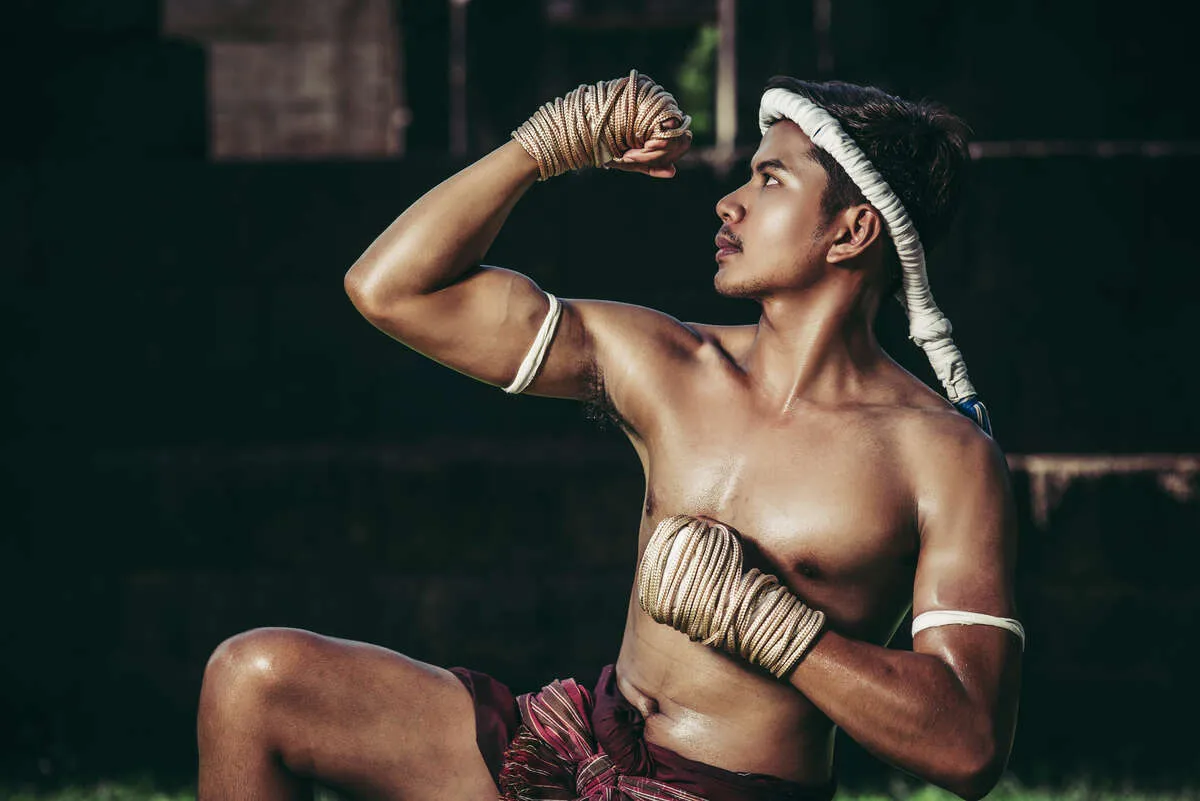
Boxing and Thai boxing, also known as Muay Thai, are two combat sports that have grown in popularity in recent years. But where do they come from, and what sets them apart?
Boxing has its origins in England, while Muay Thai was born in Thailand. These two martial arts have marked cultural differences that reflect the traditions and values of their respective countries.
Although their approaches differ, they also share similarities in their striking techniques. Fighters use fast, precise movements to attack their opponents with power.
Whether you are a fan of kickboxing or passionate about savate (French boxing), both sports offer intense training that demands rigour. From combination drills to sparring sessions, competitions allow fighters to gauge their level and earn a symbolic belt.
Ready to discover the thrill of fighting in the ring? Dive into the captivating world of boxing and Muay Thai!
Differences between Thai boxing and boxing:

Thai boxing and boxing are two popular combat disciplines, but they have notable differences. Here are a few key points to help you understand them when choosing between boxing and Thai boxing:
- Use of elbows, knees and legs in Muay Thai: Unlike boxing, which is limited to the fists, Muay Thai allows the use of elbows, knees and legs in fights. Elbow and knee strikes are an integral part of the discipline.
- Fists only in boxing: In boxing, on the other hand, only the fists may be used to strike the opponent. Fighters must master a range of punching techniques to be effective in the ring.
- A high guard in Muay Thai: In Muay Thai, a high guard is essential for protection against the opponent’s attacks. Practitioners must keep their arms close to the face to block strikes and reduce the risk of injury.
- No kicks in boxing: Unlike Muay Thai, where kicks are allowed, boxing permits only the use of the fists. Fighters therefore need to develop their hand-striking technique to be competitive in this discipline.
In conclusion, although Thai boxing and boxing are both combat sports, they differ in the techniques allowed and the rules specific to each discipline. Whether you prefer using your elbows, knees and legs in Muay Thai or focusing solely on your fists in boxing, both disciplines offer unique experiences for combat sports fans.
Boxing or Thai boxing: which is the better martial art?
Boxing and Muay Thai are two very popular martial arts, each with its own specific features and fighting styles. Let’s look at the rules and objectives of each discipline to better understand how they differ, and perhaps help you choose between boxing and Thai boxing.
- Boxing focuses mainly on using the fists to attack and defend. Fighters aim to land powerful, accurate punches on their opponent in order to score a KO or win on points. Strict rules prohibit the use of the legs, elbows and knees.
- Muay Thai, also known as Thai boxing, allows the use of every part of the body: fists, legs, elbows and knees. The aim is to land powerful strikes to wear down the opponent and possibly knock them out. Unlike boxing, clinch fighting (grappling at close range) is allowed.
Now let’s compare the fighting styles and strategies used in these two martial arts:
- Boxing emphasises speed, precision and punching technique. Fighters need to be quick on their feet to slip attacks while landing accurate counters.
- Muay Thai favours raw power and physical toughness. Fighters often use their legs to deliver heavy strikes, while clinch techniques let them control the opponent and land devastating knees and elbows.
Now let’s assess the skills needed to excel in each martial art:
- In boxing, speed, agility and precision are essential. Fighters need good hand-eye coordination and excellent control of their movements to hit their opponent without getting hit.
How to choose the type of boxing that suits you
When you are thinking about taking up a martial art, it is important to choose the type of boxing that matches your needs and preferences. Here are a few points to consider to help you decide:
The level of physical commitment you want
Boxing and Thai boxing are both physically demanding disciplines, but they differ significantly. If you are looking for training focused on punching techniques, boxing could be the ideal choice. If, on the other hand, you want to include kicks and knees in your practice, Thai boxing may suit you better.
Your preferred striking techniques

Boxing focuses mainly on punches, with fast and precise combinations. If you are drawn to the noble art and enjoy working on your coordination and speed, boxing will probably be your best choice.
Thai boxing, on the other hand, involves a wide range of techniques including punches, kicks, elbows and knees. If you prefer a more complete approach that brings different parts of the body into play, Thai boxing may be the one that best suits your tastes.
Your personal goals in learning a martial art
Before choosing between boxing and Thai boxing, it is important to think about your personal goals. If you are mainly looking to improve your fitness, coordination and agility, both disciplines can be beneficial.
However, if you have competitive ambitions and want to take part in official fights, it can be helpful to consult a qualified instructor for personalised advice. They can assess your physical abilities, discuss your specific goals and steer you towards the type of boxing that best matches your ambitions.
The physical and mental benefits of boxing
Boxing offers many benefits, both physical and mental. Here are some of the main ones:
Better cardiovascular endurance through intensive training
One of the most obvious benefits of boxing is improved cardiovascular endurance. Intense training sessions that combine cardio exercises and specific techniques strengthen the cardiorespiratory system. This translates into a greater ability to sustain prolonged effort and keep up a steady pace throughout the rounds.
Developing hand-eye coordination
Boxing also works hand-eye coordination. Fast, precise movements require perfect synchronisation between the eyes and the hands in order to strike accurately. With training, this coordination improves considerably, which can have positive effects on other everyday activities.
Strengthening the upper-body muscles
Regular boxing is an effective way to strengthen the upper-body muscles. Punching mainly works the muscles of the arms, shoulders, back and chest. Shadow boxing, with or without a heavy bag, and specific exercises such as push-ups and pull-ups help build muscular power and agility.
Greater self-confidence and self-esteem
Beyond the physical benefits, boxing can also have a positive mental impact. Regular practice boosts self-confidence and self-esteem. By learning to master fighting techniques, pushing themselves in training and taking on challenges, boxers gain greater self-assurance.
In conclusion, boxing offers many benefits, both physical and mental.
The physical and mental benefits of Muay Thai:

Boxing and Thai boxing, also known as Muay Thai, offer many benefits, both physical and mental. Here are some of the benefits Muay Thai provides:
Improved flexibility thanks to complex movements
Muay Thai is a martial art that emphasises complex, fluid movements. Regular practice considerably improves the body’s flexibility. The various strikes, evasions and combinations work the muscles through their full range of motion, which helps loosen up the joints.
Stronger legs, arms and abs
Muay Thai practitioners develop impressive lower-body strength. Kicks, especially the famous shin strikes, effectively strengthen the thigh and calf muscles. On top of that, attacking and defensive techniques using the arms provide complete strength training for the upper body. Finally, constantly bracing the abs when striking helps build a solid core.
Developing mental discipline and focus
Muay Thai requires great mental discipline to reach a high level of technical mastery. Constant repetition of the movements helps practitioners sharpen their focus and the precision of their technique. Practising this martial art regularly also demands great perseverance, which further strengthens mental discipline.
Gaining better self-control
Thai boxing teaches practitioners to control their emotions and stay calm in stressful situations. Fighters learn to manage fear, anger and aggression so they can make considered decisions during fights. This ability to master one’s emotions carries over into everyday life, helping practitioners cope better with stress and difficult situations.
Conclusion: boxing or Thai boxing, choose according to your preferences:
Boxing and Muay Thai are two exciting combat disciplines that offer unique physical and mental benefits. Boxing focuses on punching techniques, while Muay Thai also includes kicks, elbows and knees.
If you are looking for a more technical approach centred on precise punching, boxing is for you. It develops coordination, agility and speed. It also builds self-confidence and is a great way to let off steam.
On the other hand, if you prefer a more complete discipline that combines different striking techniques with evasive movement and clinching, Muay Thai may be your ideal choice. It improves not only your overall physical strength but also your cardiovascular endurance.
The choice between boxing and Thai boxing will therefore depend on your personal preferences in terms of fighting style and the goals you want to achieve. Whether you want to get fitter, learn to defend yourself or simply take on an exciting challenge, both sports can meet your needs.
Whatever you choose, it is essential to learn from a qualified coach in order to avoid injury and progress effectively.
So don’t hesitate to take up boxing or Muay Thai, depending on your preferences and personal goals. You are sure to discover an exciting discipline that will bring you lasting physical and mental benefits.
Join us
Now that you know more about these 2 types of boxing, come and try it out at our boxing gym! Sign up now and you can enjoy your first training session for free. You will be coached by our best trainers. Don’t wait, get in touch with us now on +32 473 29 42 99 or via this contact form ! You will find us in the Mint gallery in Brussels.